Politics in the Pantry

Produce Inspection

With the Presidential election behind us we just may begin to see some changes in food regulation laws as a result of the Food Safety Modernization Act (FSMA) signed into law by President Barak Obama back in January 2011.

Impacting roughly 80% of consumer purchased foods not including meat and poultry, the FSMA is the most dramatic change to food regulation laws in the United States in more than 70 years. The premise of the FSMA is to emphasize prevention rather than punishment by implementing four sets of rules designed to reduce foodborne illnesses which impact some 50,000 Americans each year and result in an average of 3,000 deaths annually.

The goal of the  four regulations associated with the FSMA is to increase monitoring of imported foods, while taking aggressive measures to prevent produce contamination including but not limited to more frequent and thorough inspections of food packaging facilities.

In the summer of 2012, America experienced four major outbreaks linked to FDA-regulated foods. While the cost of increased regulation through the FSMA is steep, falling in the billions of dollars range, a 2010 Pew Trusts study estimates the total ‘costs’ of foodborne illnesses at $152 billion each year.

At Passanante’s Home Food Service we pride ourselves on the safety and quality of foods we provide to hundreds of families each month. We don’t need the federal government to tell us how important food safety is or to implement laws to protect you — we do it on our own and are conscious of it everyday. Passanante’s has always adhered to the strictest of policies and actively looks for opportunities to improve our methods.

We love being the company you can trust for safe organic produce and hormone-free meat delivery and look forward to continuing to impress each of you!

Happy eating! ❤

High-Fructose Corn Syrup, MSG and Aspartame

At Passanante’s Home Food Service we’re busy looking after our families and yours alike. You have probably heard controversial buzz about high-fructose corn syrup, MSG and aspartame, and maybe all of the press left you with more questions than answers. Even though none of our products contain these ingredients, here’s a little information on each.

High-Fructose Corn Syrup (HFCS) is the most common sweetener added into processed foods and beverages. While it is chemically similar to real sugar, many have concerns about how the sweetener is processed prior to being added to a variety of foods. Like any type of sugar, ingesting high-fructose corn syrup can lead to weigh gain, cavities, poor nutrition and increased risk of heart attack, but there is no research that shows HFCS is any less healthy than real pure sugar.

Monosodium glutamate (MSG) is an ingredient commonly found added to Chinese food, canned vegetables and processed meats. Over the past decade or more this flavor enhancer has been the subject of much controversy; however it has been classified by the FDA as safe for consumption. Despite reports of headaches, numbness, chest pain and nausea among other symptoms, no research has conclusively found MSG is in anyway tied to these adverse reactions.

Aspartame is an artificial sweetener commonly found in sodas and chewing gum that has been around for more than 30 years. Nearly 200 times sweeter than sugar it is often substituted for real sugar to reduce calories as much less Aspartame is needed to get the same sweetness as larger quantities of sugar. Some fear Aspartame increases the risks of lymphomas, leukemias, or brain tumors, although no studies have confirmed this. Aspartame is been approved for consumption by the FDA and the Food and Agriculture Organization of the United Nations World Health Organization.

At Passanante’s our goal is to help you provide the best nutrition to your friends and family with every delicious home cooked meal you prepare. To become a part of our incredible community give us a call anytime to schedule an appointment or hop onto our Facebook and Twitter to get connected!

Introducing “Tuna Scrape”

Raw Tuna

In the wake of the recent Salmonella outbreak that sickened at least 141 individuals, federal public health officials were able to determine the culprit – imported Tuna Scrape. You heard right, the latest food to be scrutinized in the media comes from the seafood industry and can be found in sushi rolls around the world.  Nakaochi Scrape, better known as Tuna Scrape, is the ground backmeat scraped from the bones of the fish. This most recent Salmonella outbreak led to the recall of some 58,828 pounds of the tuna product imported from India.

With all of the recent press surrounding Pink Slime, a beef product produced by collecting scrap meat from the cow carcass, separating meat from fat, grinding up the meat and connective tissues and finally treating the end result with ammonia, many people are questioning – is Tuna Scrape the new Pink Slime?

Depending on whom you ask, the answer is a resounding “no.” Many experts believe the comparisons between Pink Slime and Tuna Scrape are unfounded, as the fish product is not treated with ammonia or other harsh chemicals. The location of the meat on the fish simply requires manual removal unlike the more substantial filet cuts we are accustomed to purchasing for consumption.

As quoted in “What’s the Deal With Tuna Scrape” by Gretchen Goetz of Food Safety News,

“Just because it’s not part of the filet doesn’t mean back scrape is an inherently “worse” part of the fish, says Harry Yoshimura, owner of Mutual Fish Company, Inc., “Usually meat around the bone tastes very, very good,” he says. “And when you get a good fish, it’s really terrific.”

To concur with Yoshimura, as far as the FDA is concerned, Tuna Scrape does not pose any more of a health risk than consumption any other raw fish. The fact that this meat is collected from the backbone does not in any way impact the safety or nutrition of the meat.

The risks associated with your run-of-the-mill Tuna Scrape are the same risks you take every time you eat Sushi at your favorite restaurant. The real risk as far as any studies can hint at, is in eating imported raw meats including Tuna Scrape, which make up ¾ of all seafood in the United States… sounds inticing doesn’t it?

Who wants to worry about the safety of the foods they’re preparing for their family and friends? The quality seafood delivered right to your door from Passanante’s Home Food Service exceeds all HACCP standards and is delicious! Choose safety, quality and convenience over the imported grocery store imitations. Trust Passanante’s to deliver only the best foods for your family.

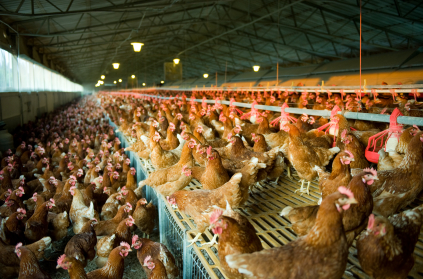
Poultry Farms Get Heat For Arsenic, Antibiotics, Antihistamines and Antidepressants

There’s more bad news on the meat production industry front! Recent studies conducted by the Johns Hopkins University Center for a Livable Future and Arizona State University found caffeine, active ingredients of Tylenol and Benadryl, banned antibiotics and even arsenic in samples collected from U.S. poultry farms. Like human fingernails, feathers retain traces of chemicals and drugs the animal was exposed to or ingested making it easy for scientists to analyze.

Poultry Farm

Studies conducted revealed that in an effort to produce meatier chickens, poultry farmers are feeding the birds coffee pulp and green tea powder to keep them awake so they spend more time eating. To keep the chickens calm, they are subsequently fed the same antihistamine found in Benadryl and acetaminophen which is the active ingredient in Tylenol as chickens under stress tend to grow more slowly and produce tougher meat. Arsenic, which is used to prevent infections and makes the chicken flesh a more appetizing shade of pink, was also found in the samples, and if that’s not enough, feather-meal samples from China contained the same active ingredient and antidepressant found in Prozac.

While scientists have not yet confirmed an immediate health risk to humans, the allure of inexpensive chicken from the grocery is quickly depleting my appetite. Additionally, feeding livestock antibiotics increases the likelihood of developing antibiotic-resistant “superbugs” which kill more American’s annually than AIDS.

If there’s one thing Passanante’s feels strongly about it’s the necessity to provide safe, chemical and toxin free, delicious foods to our customers and their families. Save yourself the worrying and make the choice to rely on our organic food delivery service to provide you with the nutrition and peace of mind you deserve. Give Passanante’s Home Food Service a call to schedule an appointment and get on the road to a healthier lifestyle!

“Pink Slime”

“Pink slime”.  You may have heard the buzz about the use of this ammonia treated meat filler and the recent rejection of this product by major fast food chains including McDonald’s, Taco Bell and Burger King. We, for one, are happy to hear that this bubble gum colored meat paste of animal waste trimmings, connective tissues and fat will no longer grace the buns of drive-through burgers.

Pink SLIME

Photo Credit: Michael Kindt

Once collected, the meat trimmings are sprayed with ammonium hydroxide to kill pathogens like salmonella and E. coli. According to MSNBC, ammonium hydroxide is a powerful chemical with the potential to turn into ammonium nitrate—a common component in household cleaners, fertilizers and homemade bombs. Sounds healthy?

Many members of the health and food community including microbiologists and food safety inspectors agree these “lean beef trimmings”, originally called “soylent pink”, are a high risk product and should not be confused with real meat. Fortunately, an ABC News investigation discovered just how much pink slime has infiltrated America’s meat industry.

Shockingly, up to 70% of the ground beef found in supermarkets across America contain the less than appetizing pink paste. And it doesn’t stop there. The USDA is purchasing 7 million pounds of the slime for school lunches as reported by The Daily.

Naturally, the USDA insists this unnatural and chemically treated tissue paste meets the highest standard for food safety and even argues its nutritional equivalence to ground beef. Fortunately, the public outcry against pink slime is bringing this problem into the forefront of the meat industry conversations, and hopefully our grocery stores and school cafeterias will safe from “pink slime” in the future.

Passanante’s is committed to providing our customers with natural, hormone-free, chemical-free, safe and delicious meats. Treat your family to the real deal, not pink slime. Give us a call today at 1-800-772-7786 to speak to a member of our team about eating better!